


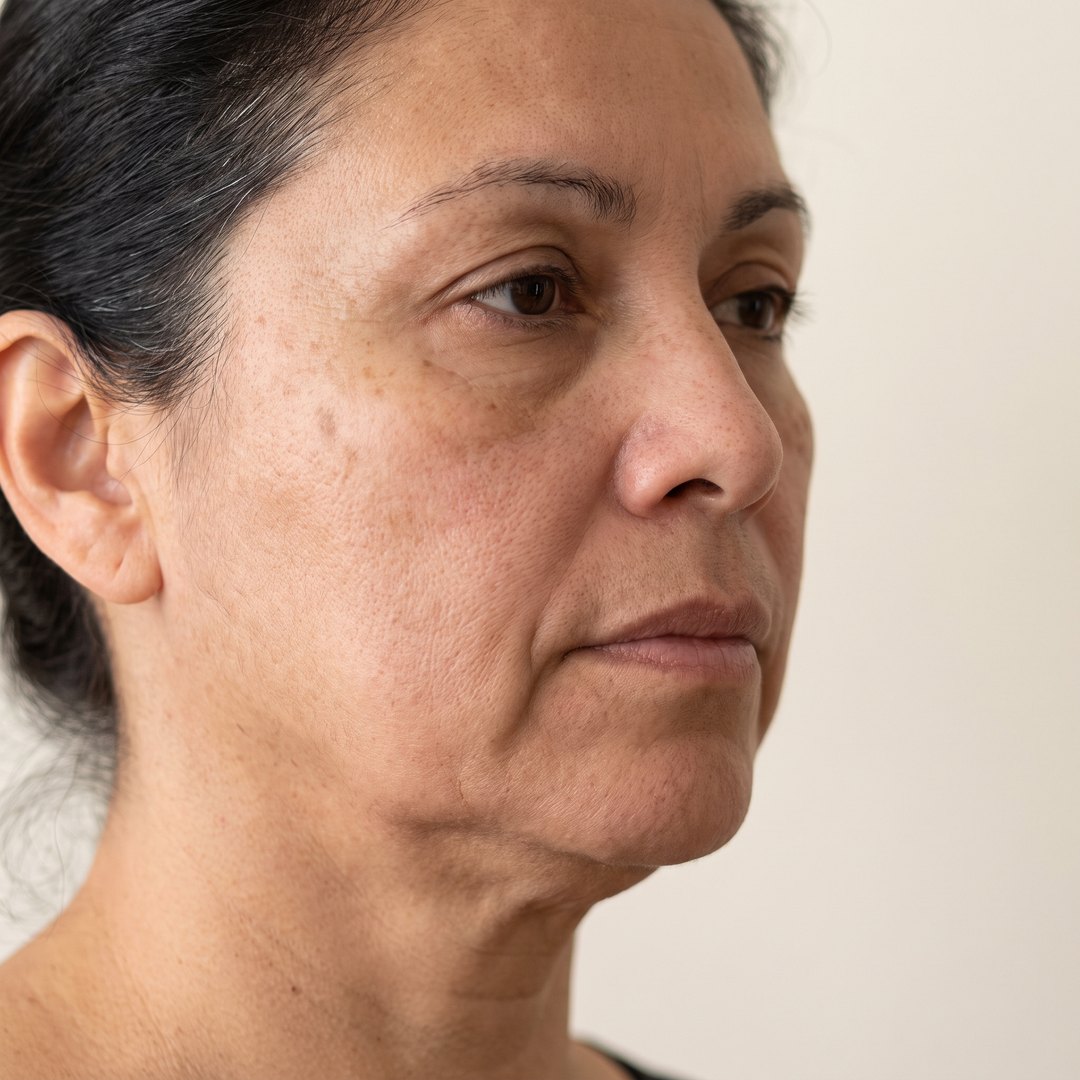
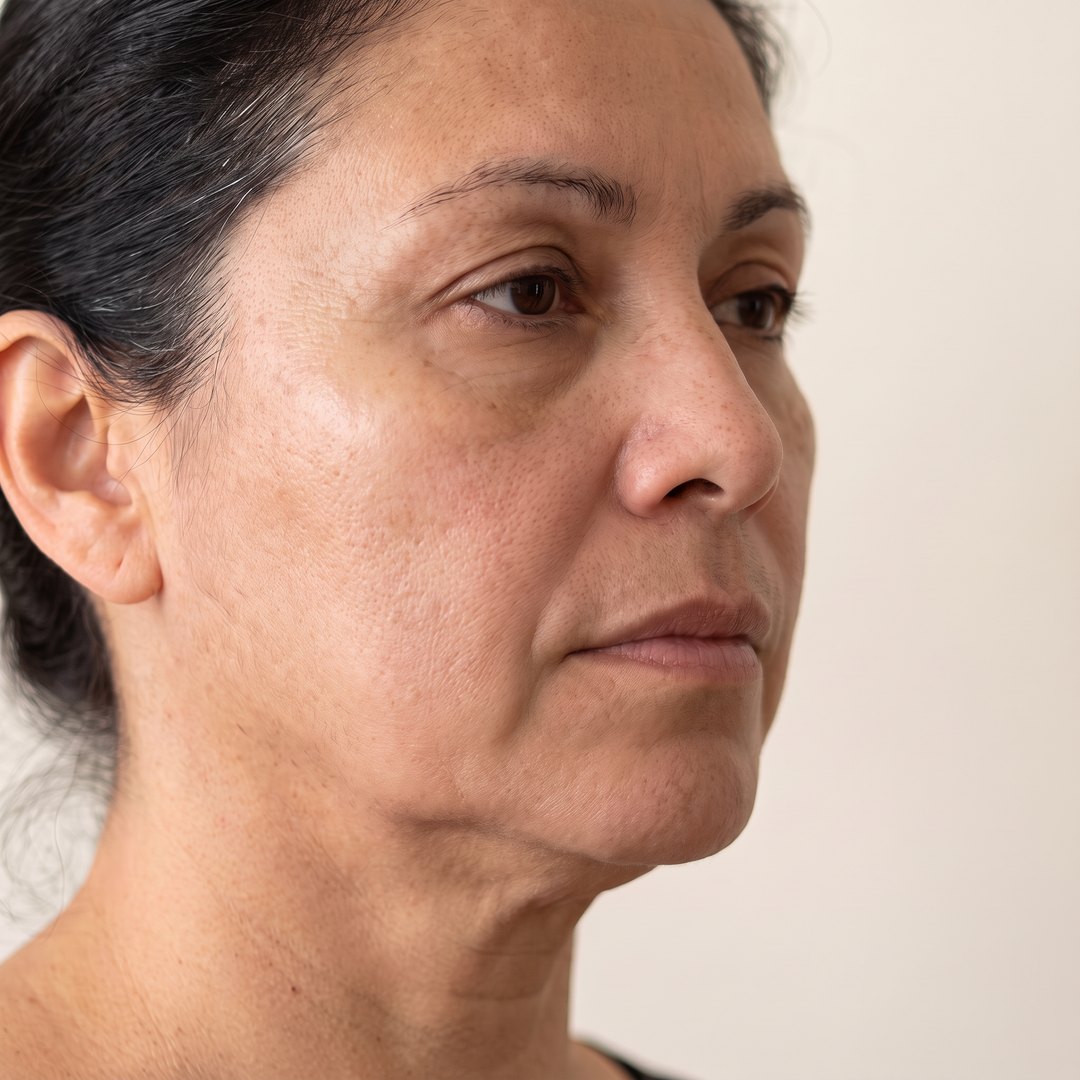
 Day 1
Day 55
AURA 4D
Free Shipping · FDA-Cleared · 90-Day Money Back Guarantee
Free Shipping · FDA-Cleared · 90-Day Money Back Guarantee
Free Shipping · FDA-Cleared · 90-Day Money Back Guarantee
Free Shipping · FDA-Cleared · 90-Day Money Back Guarantee
Free Shipping · FDA-Cleared · 90-Day Money Back Guarantee
Free Shipping · FDA-Cleared · 90-Day Money Back Guarantee
Free Shipping · FDA-Cleared · 90-Day Money Back Guarantee
Free Shipping · FDA-Cleared · 90-Day Money Back Guarantee
Free Shipping · FDA-Cleared · 90-Day Money Back Guarantee
Free Shipping · FDA-Cleared · 90-Day Money Back Guarantee
Free Shipping · FDA-Cleared · 90-Day Money Back Guarantee
Free Shipping · FDA-Cleared · 90-Day Money Back Guarantee
Free Shipping · FDA-Cleared · 90-Day Money Back Guarantee
Free Shipping · FDA-Cleared · 90-Day Money Back Guarantee
Free Shipping · FDA-Cleared · 90-Day Money Back Guarantee
Free Shipping · FDA-Cleared · 90-Day Money Back Guarantee
Couldn't load pickup availability
Using HSA or FSA funds? See how it works
Ready to ship from our US warehouse.
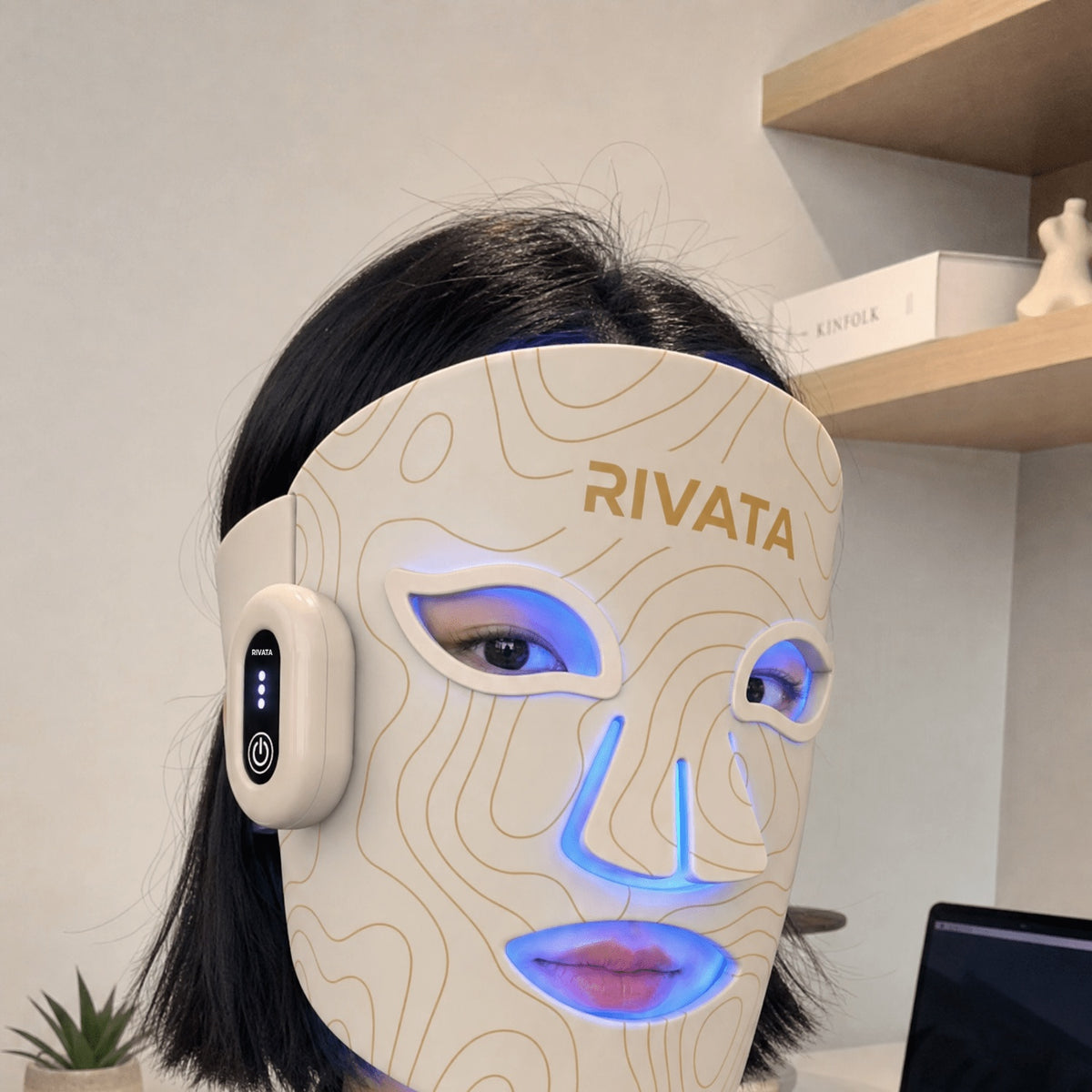
The RIVATA AURA Lite Mask delivers 4 clinical-grade light wavelengths: Red 630nm, Blue 460nm, Amber 605nm, and NIR 850nm. 272 medical-grade LEDs, in a soft silicone shell.
The flat, flexible design gives even coverage across your face, reaching areas most masks miss like the chin and jawline.
FDA-cleared (K243040) for wrinkles and acne. Hands-free. Wireless. 10 to 12 minute sessions, 3 to 5 times per week.
LED light therapy works by delivering specific wavelengths of light into the skin, where they're absorbed by skin cells:
Most users see visible results in 4 to 6 weeks of consistent use.
Frequency: 3 to 5 sessions per week for best results.
Shipping: Free US shipping on all orders. Orders ship within 1 business day. Standard delivery in 3 to 5 business days, with expedited options at checkout.
Returns: 90-day money-back guarantee. If you're not happy with the results, send it back for a full refund. No restocking fees, no hassle.
Where we ship: US only for now. International shipping is coming soon.


Same FDA-cleared light therapy as the leading masks, without the markup.
|
FDA
Cleared
Clinical
Grade |
Best value RIVATA AURA Lite $129.99 Direct | Shark CryoGlow $349 Amazon | Dr. Dennis Gross $455 Sephora |
|---|---|---|---|
| Light Therapy | |||
| Wavelengths | 4 | 3 | 2 |
| Treatment modes | 4 | 4 | 3 |
| LED count | 272 | 160 | 162 |
| Treats wrinkles | ✓ | ✓ | ✓ |
| Treats acne | ✓ | ✓ | ✓ |
| Comfort & Design | |||
| Wireless & cordless | ✓ | ✓ | ✓ |
| Lightweight & flexible | ✓ | ✗ | ✗ |
| After You Buy | |||
| Money-back | 90 days | 60 days | 30 days |
| Warranty | 2 years | 2 years | 1 year |
| Free US shipping | ✓ | ✓ | ✓ |
Same light therapy. Better mask. Half the price.
FDA-cleared K243040 (630nm, 460nm, 850nm). 2026 Specs.
↓ Full Comparisons ↓

You could spend each year:
Or, get the AURA Lite Mask

Clinical-grade light therapy in the comfort of your cozy home!
NO EXPENSIVE SESSIONS. NO COMPROMISES.

Red, Blue, Amber and deep NIR target four different skin depths. Full-face coverage from 272 medical-grade LEDs, where most masks run just one or two colors.
Tap to switch between four clinical light modes. Each pairs a treatment color with deep-repairing NIR 850nm.
Anti-Acne
Blue 460nm + NIR 850nm
Made for active breakouts: blue light targets acne-causing bacteria as blemishes form. Safe to use on active acne.
Glow
Amber 605nm + NIR 850nm
A warm 10-minute amber session that runs alongside near-infrared 850nm.
Anti-Aging
Red 630nm + NIR 850nm
Supports smoother, firmer-looking skin and softens the look of fine lines.
Full Rejuvenation
Red 630nm + Blue 460nm + NIR 850nm
Runs red, blue and near-infrared together in one 12-minute session.
Swipe for more results
Day 1
Day 55
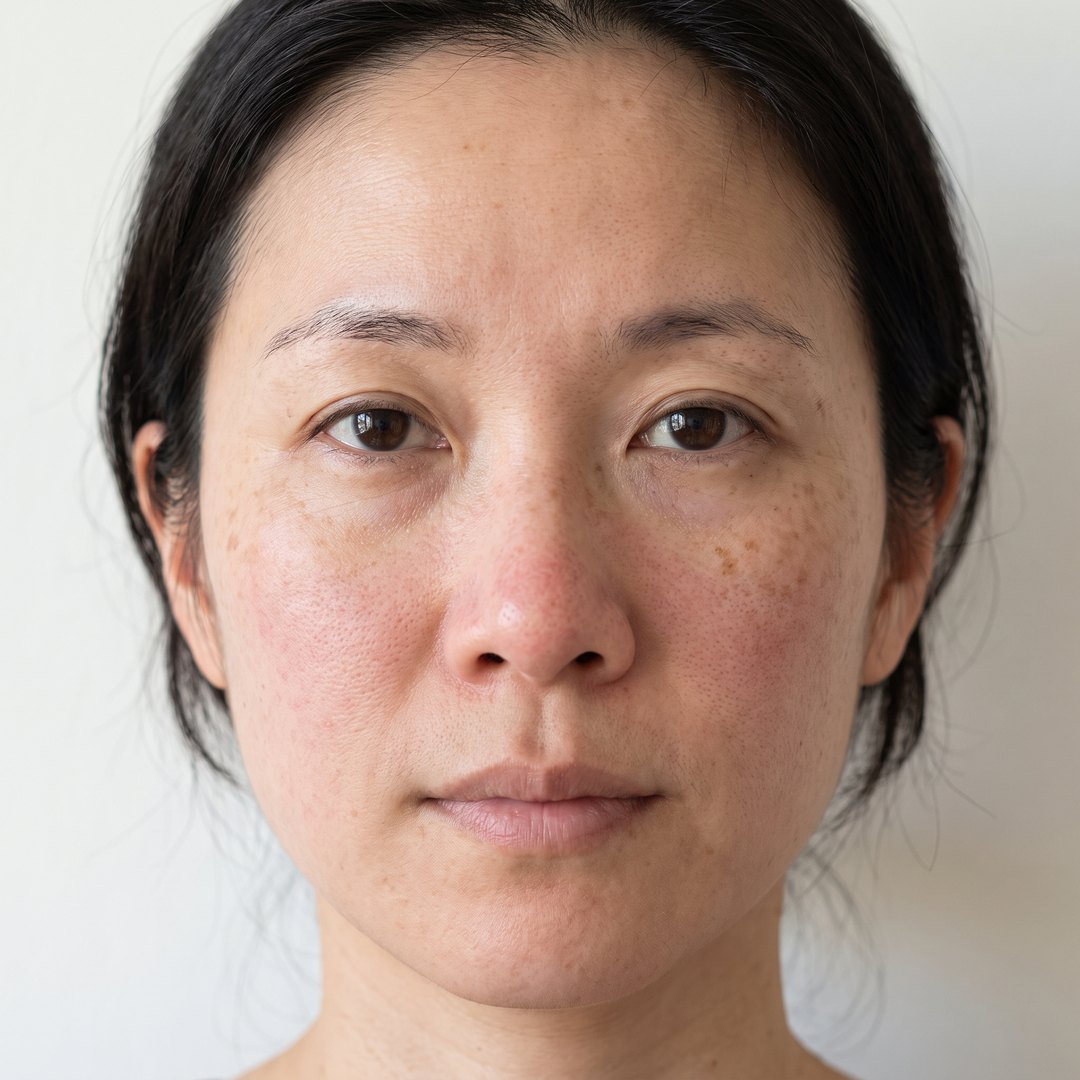
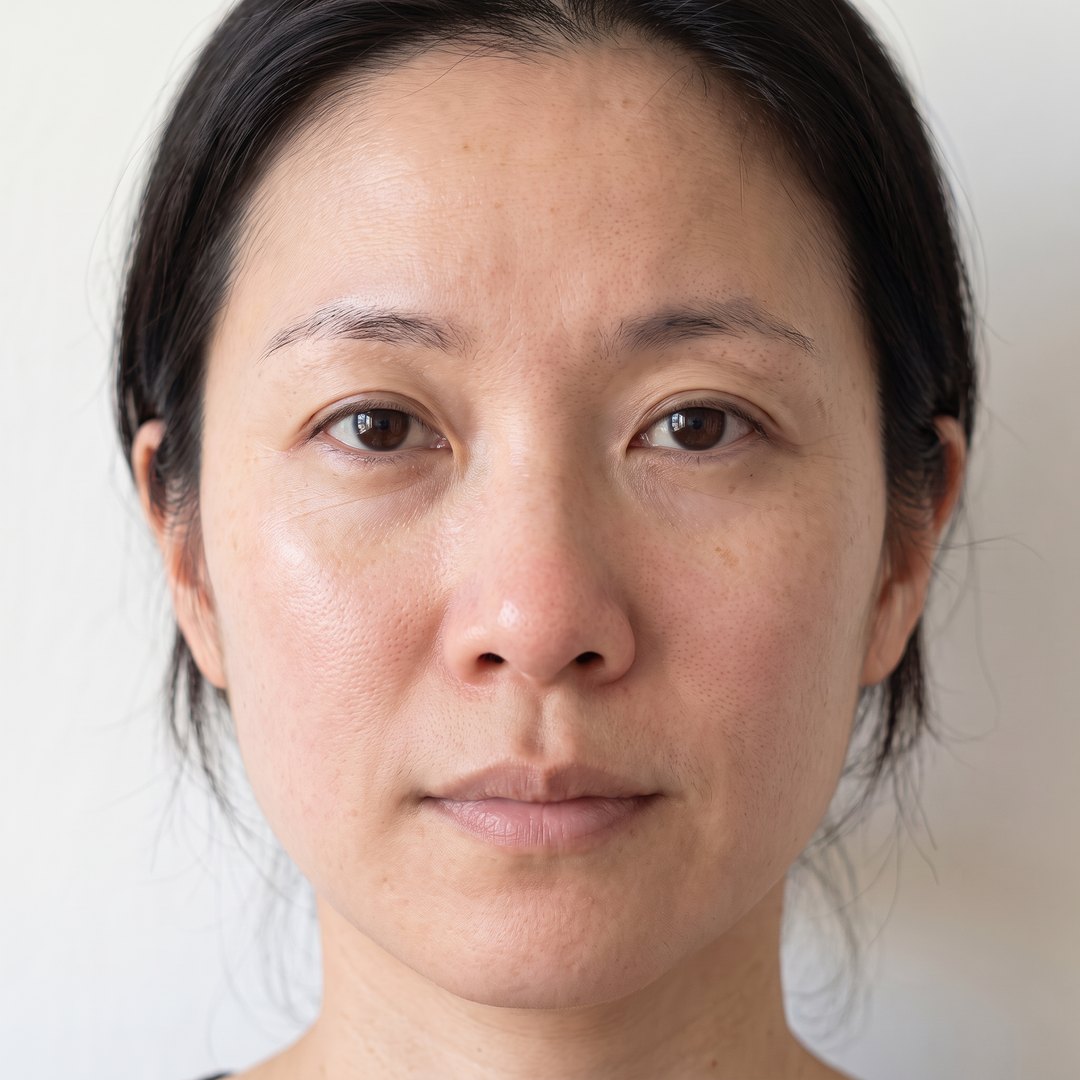 Day 1
Day 61
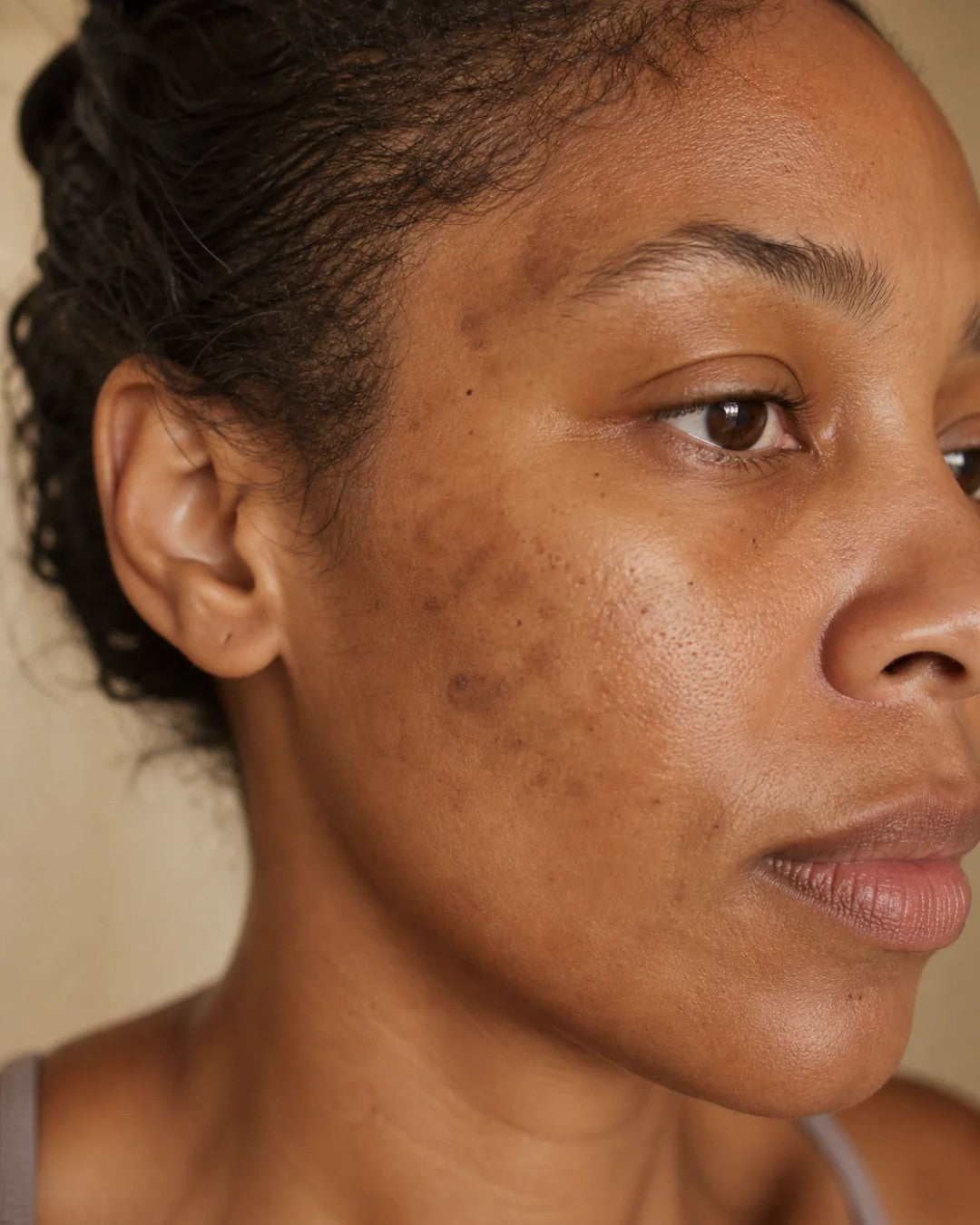
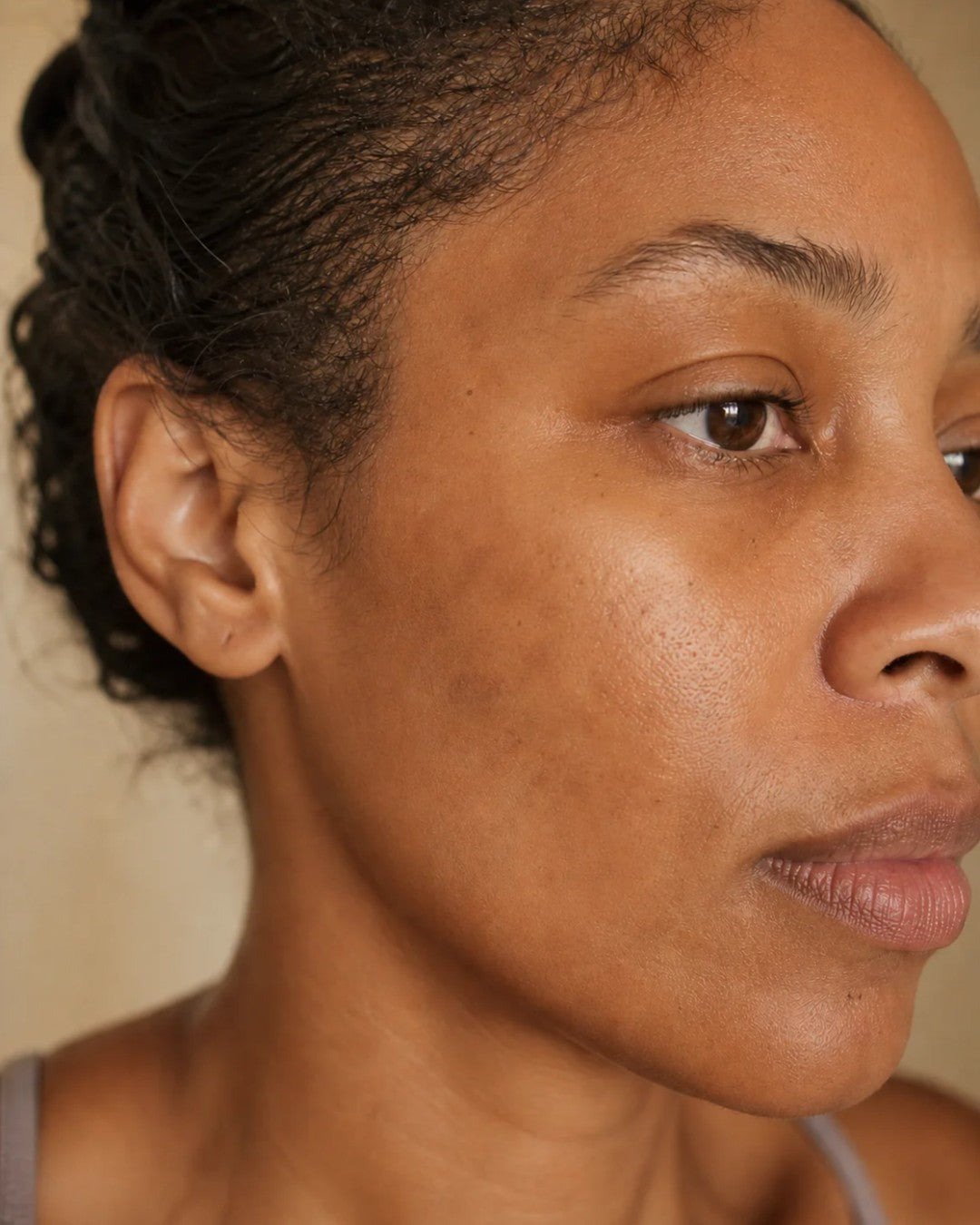 Day 1
Day 79

 Before
After
More results

 Before
After
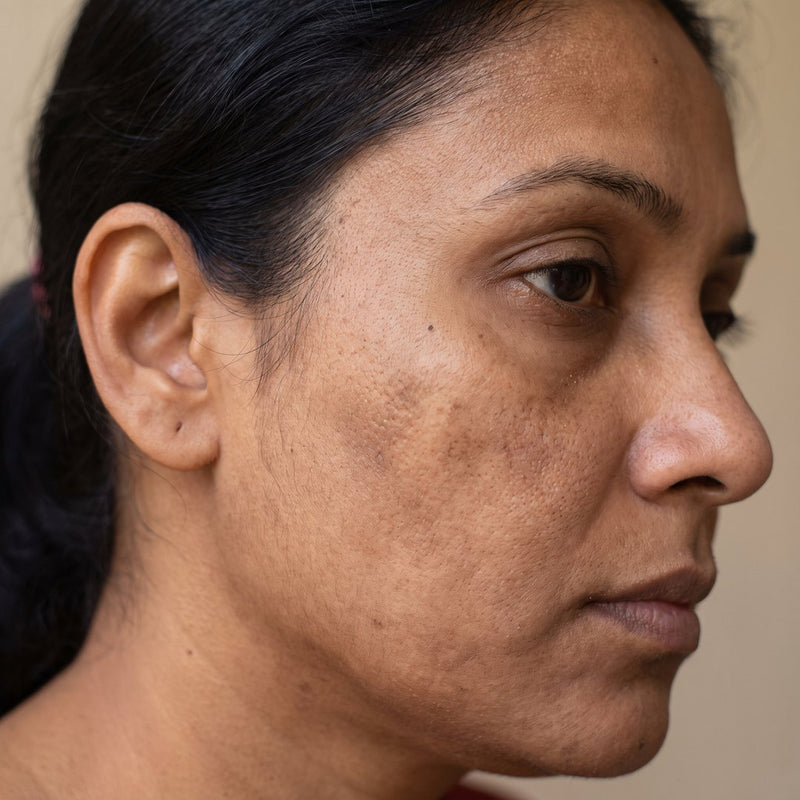
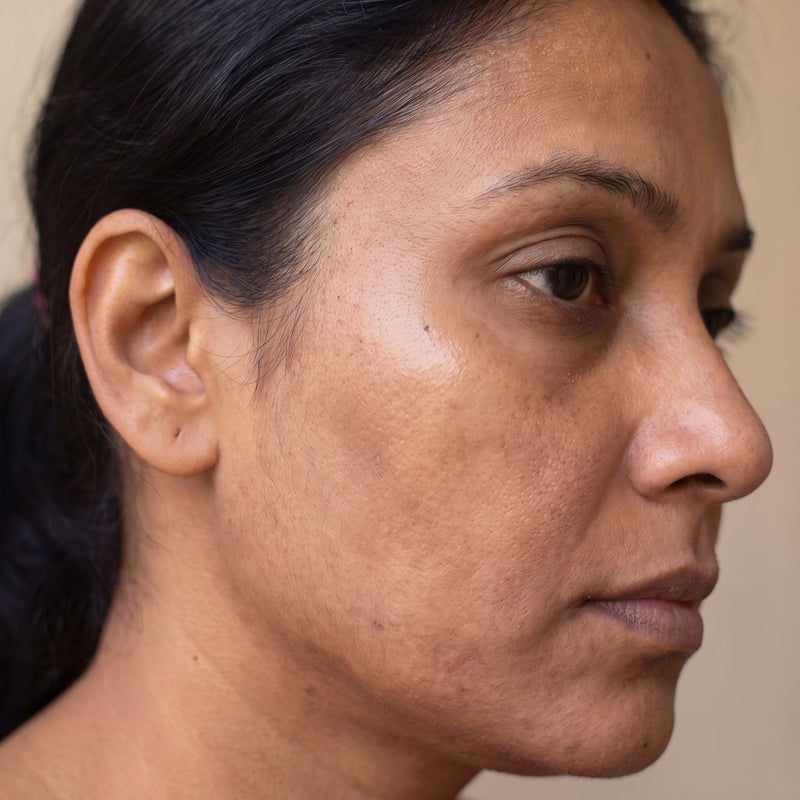 Before
After
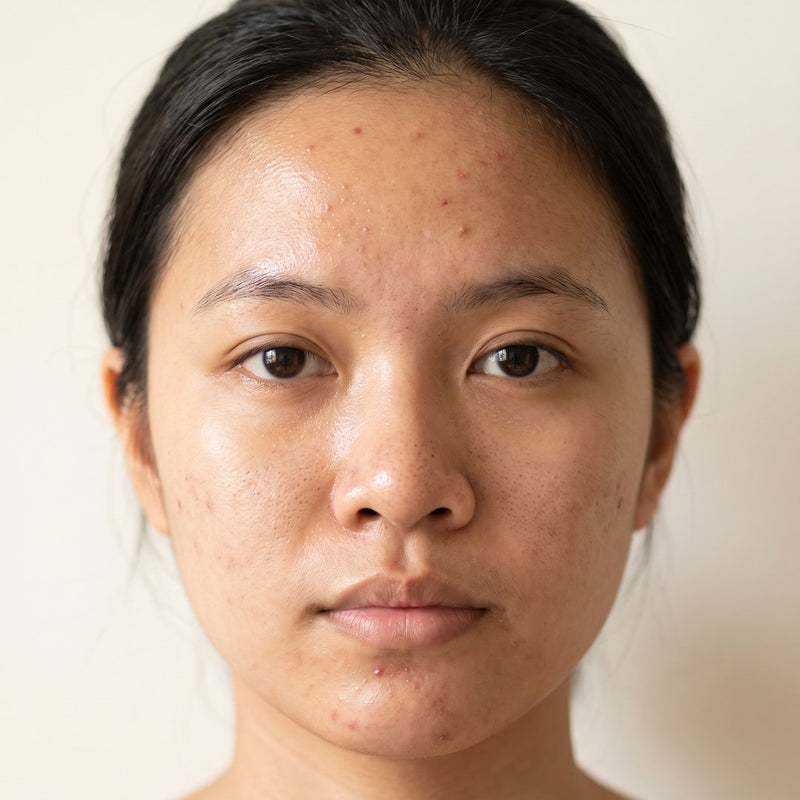
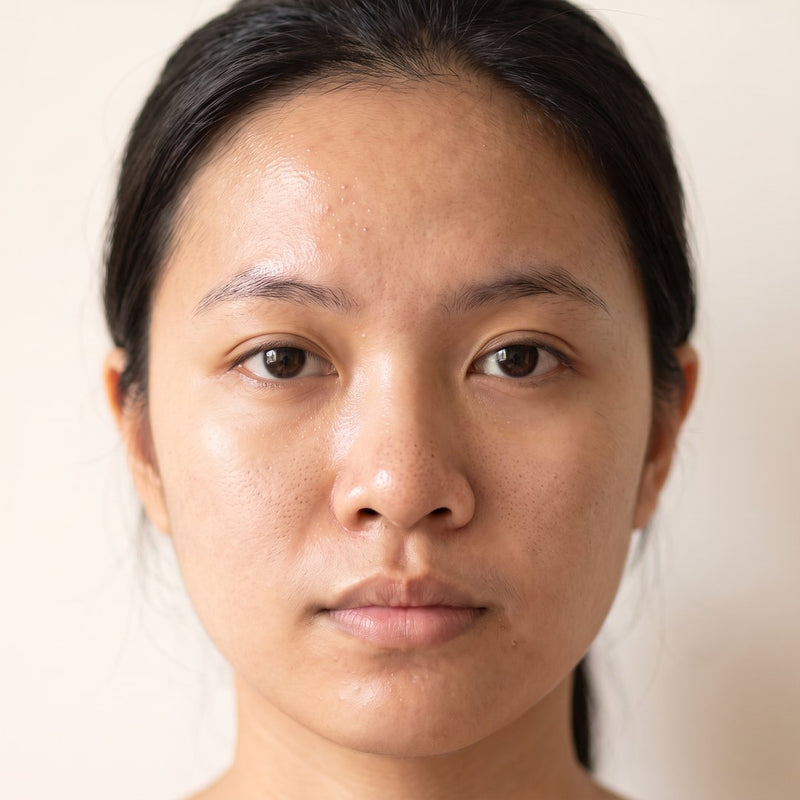 Before
After

 Before
After
AURA's wavelengths work at the cellular level. The same FDA-cleared mask delivers clear results across every skin tone, every age, and every concern.
LED light works below the surface, safe and effective across all six Fitzpatrick skin types, from fair to deep.
No heat, no acids, no abrasion. Gentle and calming on reactive skin.
From early fine lines to decades of sun damage, AURA's wavelengths reach every depth your concern lives at.
Verified glow-ups from women who made AURA Lite part of their skincare ritual.


I almost spent $400+ on Dr. Dennis Gross. Three months with RIVATA and my skin tone is more even, with $300 still in my bank account.
My last LED mask sat in a drawer. The AURA Lite is featherweight and cordless, and after two months of nightly use my skin is brighter.
I bought the AURA Lite for myself but my mom kept stealing it, so I bought her one too. No app, no remote, just press and go.
I've fought chin acne since 22 and tried everything. The Anti-Acne mode is the first thing that's actually shortened my breakout cycles. Best $129 I've spent on my skin.
I wanted something before going the injectables route. 10 weeks later, the redness calmed down a lot. More wavelengths for less money than my friend's Omnilux.
Light therapy works on consistency, not intensity. In weeks 1-2, skin may feel calmer with a subtle improvement in tone and radiance. By weeks 4-6, it may look smoother and more even. Continued use through weeks 8-12 may help support firmness, elasticity, and overall texture. Give the practice at least 8 weeks before evaluating. Results vary with skin type, consistency, and lifestyle.
3-5 times per week is the sweet spot. The NIR and LED wavelengths are completely non-invasive, so there's no recovery time and no risk to your skin barrier.
Clinics use similar LED technology but charge per session and require appointments. Rivata gives you clinical-grade output at home: same wavelengths, comparable LED density, zero recurring cost. Most people recoup the price of the device within a few visits' worth of savings.
Generally, yes. Start with 3 sessions a week and build to 5. Each mode switches off on its own. If you have a diagnosed skin condition, are pregnant or nursing, or take photosensitizing medications, check with your dermatologist first.
10 to 12 minutes, depending on the mode you choose. Every mode auto-shuts off when complete, so no timer is needed. The mask is wireless and lightweight, so you can wear it on the couch, in bed, or wherever you want to unwind. Just make sure your skin is clean before you start.
Yes, and timing matters. Before a session, a water-only mist is optional; let it dry before the mask goes on. Skip oils, occlusives, sunscreen, and makeup. After, apply a hydrating mist or essence, a peptide serum, and a barrier moisturizer with ceramides or squalane. SPF 30+ the next morning.
Within 12 hours of a session, skip retinoids (retinol, retinal, tretinoin), AHAs, BHAs, vitamin C above 10%, benzoyl peroxide, and hydroquinone. These can sensitize your skin to light.
Manufacturing defects, LED malfunctions, battery issues, and faulty components for a full 2 years from purchase. Email support@getrivata.com with your order number. We typically reply within 24 hours.
Red light therapy isn't a trend. It's a 50-year-old NASA-pioneered technology backed by 6,000+ peer-reviewed studies. Here's the simple version.
Medical-grade LEDs project specific wavelengths of red & near-infrared light onto your skin.
The light passes through your epidermis and reaches the cellular layers where collagen is built.
Mitochondria respond by producing more ATP, fueling collagen synthesis, cell repair, and a calmer, more even look.
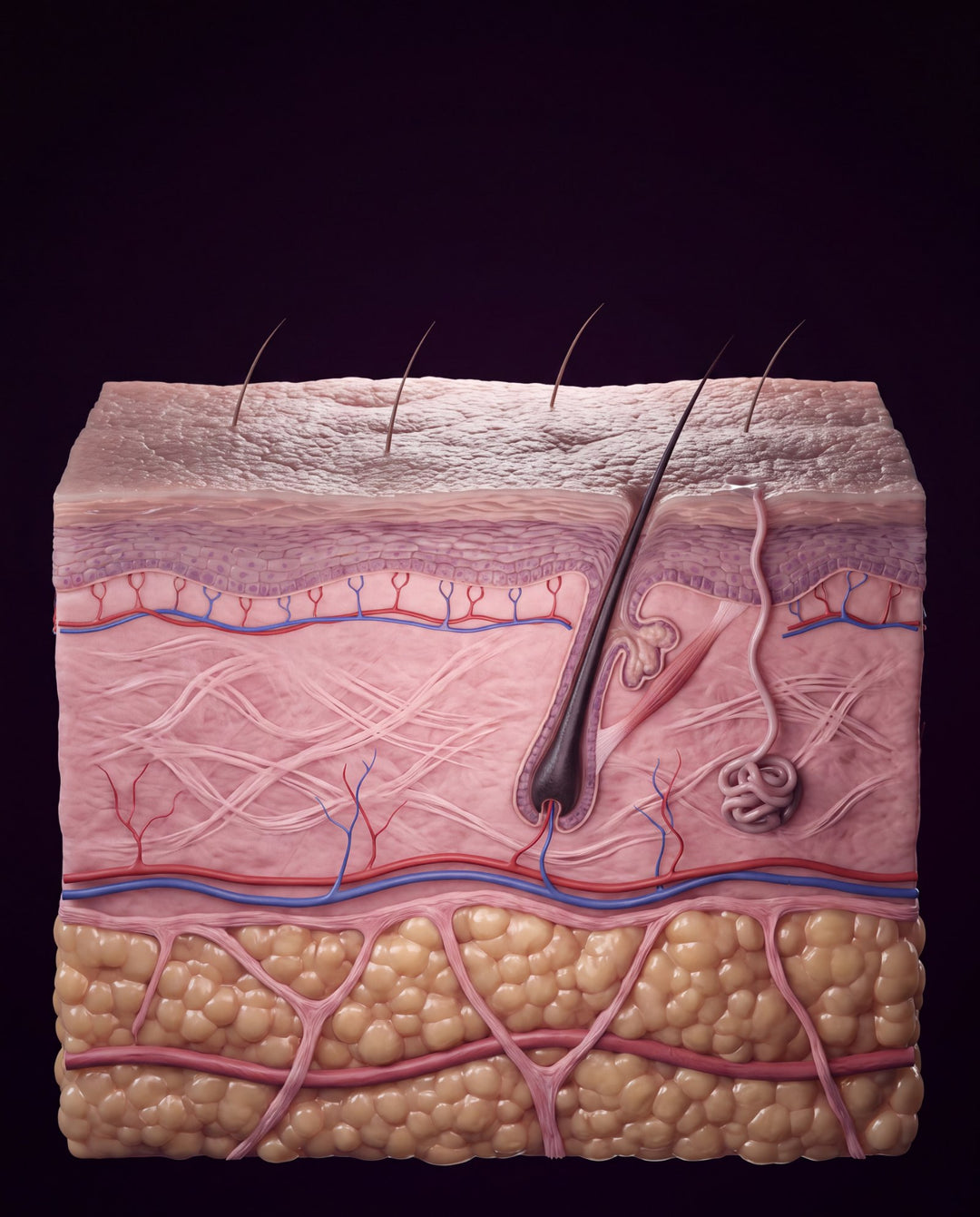
AURA Lite runs 4 wavelengths, from acne-causing bacteria at the surface to the deep dermis. AURA 4D adds Red 660nm and Deep NIR 940 + 1064nm.
Stimulates fibroblasts to produce more collagen, the protein that keeps skin firm.
Increases skin elasticity and reduces the appearance of wrinkles around eyes and mouth.
Fades dark spots, post-acne marks, and sun damage by speeding up cell turnover.
Visibly calms the look of temporary redness and supports your skin barrier overnight.
Backed by 6,000+ peer-reviewed studies including research at Harvard, NASA, and NIH.
Deep-dive guides on red light therapy, skincare science, and getting the most out of your AURA.
Yes, with the right spacing: mask nights and retinol nights. Where vitamin C, acids and benzoyl peroxide fit, and when to ask your doctor...
Read article buying guideA wavelength chart for the face, from 415nm blue to 1064nm near-infrared: what each one reaches, what it's used for, and which ones are...
Read article red light630nm and 660nm are both red light. What each one reaches, how they differ, which masks use them, and whether you need both.
Read article

